 how-to
Jet Ski Safety Tips for Beginners: A Complete Guide
Table of Contents
- Jet Ski Safety Tips for Beginners: What You Need to Know
- What You'll Need Before Your First Ride
- How to Ride a Jet Ski for Beginners: Step-by-Step
- Jet Ski Safety Rules and Local Regulations
- Common Jet Ski Beginner Mistakes to Avoid
- What to Do If You Fall Off or Capsize
- Safety Briefing and Training for Beginners
- Frequently Asked Questions
Last Updated: October 21, 2026
Jet Ski Safety Tips for Beginners: What You Need to Know
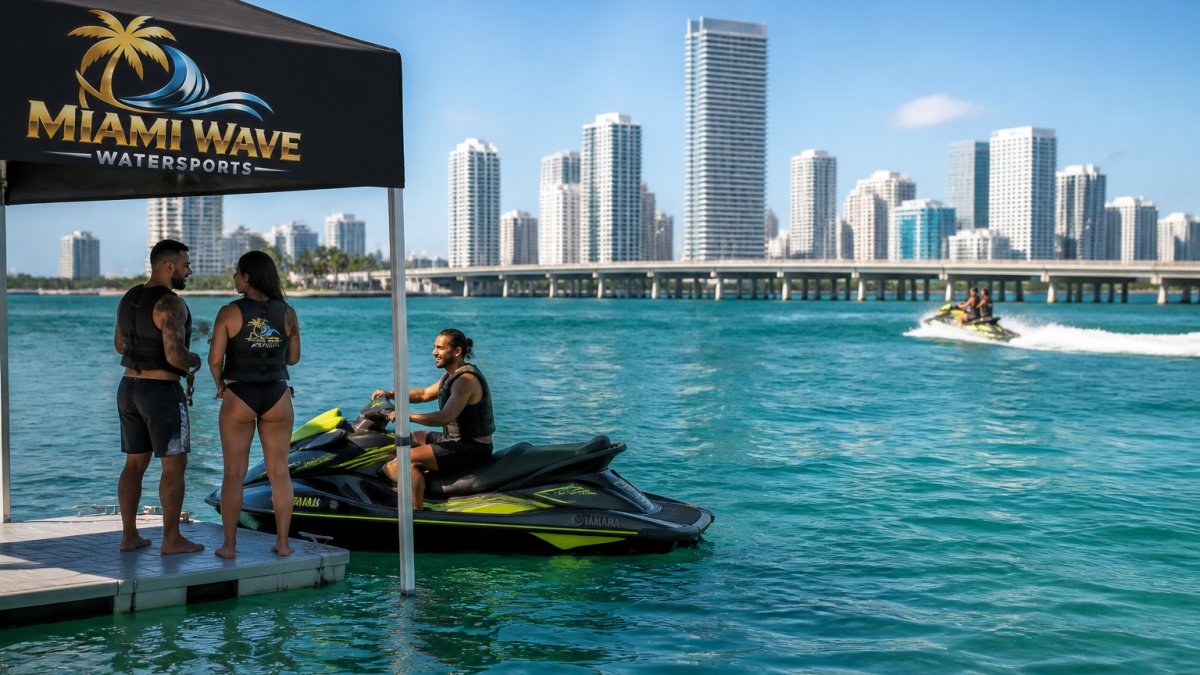
Before your first jet ski ride, understanding jet ski safety tips for beginners isn't optional, it's the difference between an unforgettable adventure and a dangerous situation. At Miami Wave WaterSports, riders who take safety seriously come back smiling.
Jet ski riding is safe when you follow the right steps. Most beginners worry they'll panic or mess up the controls, but proper preparation and training prevent that.
What You'll Need Before Your First Ride
The right gear and equipment preparation separate safe riders from reckless ones.
Required and Recommended Gear
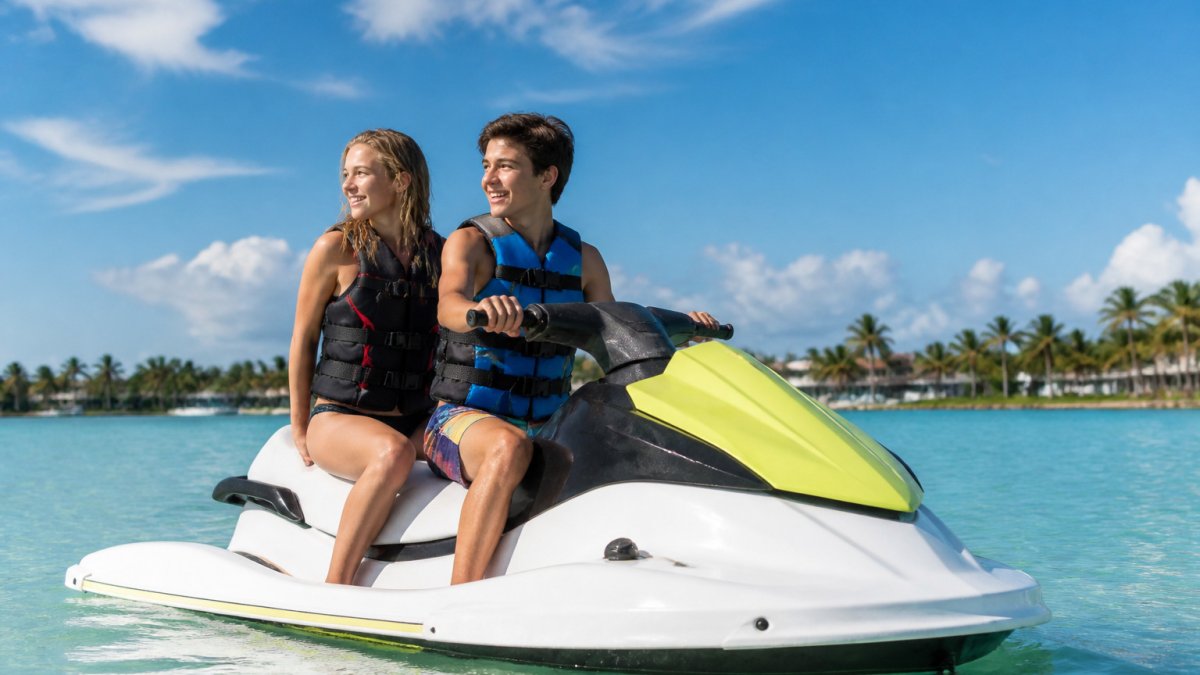
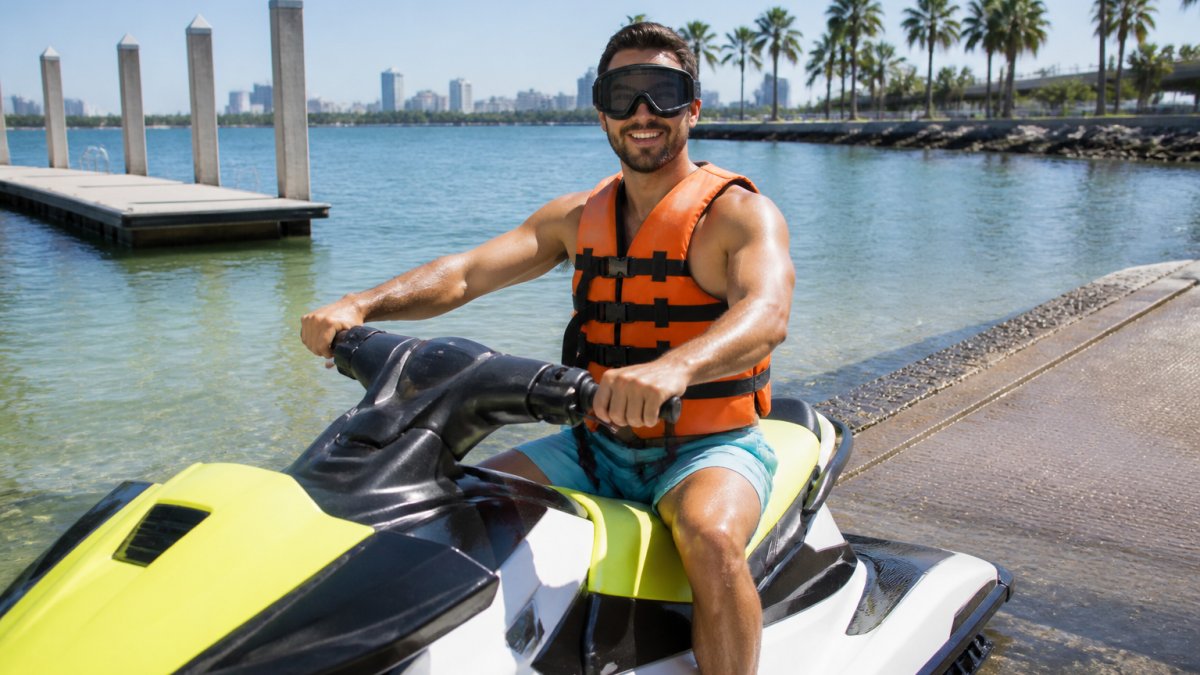
A Coast Guard-approved life jacket is non-negotiable. The U.S. Coast Guard mandates that all personal watercraft operators and passengers wear one. It's the most important piece of equipment you'll use.
Beyond the life jacket, here's what protects you:
- Safety lanyard or engine cut-off switch lanyard, This clips to your wrist or life jacket. If you fall off, the lanyard pulls the kill switch and stops the engine immediately. Without it, the jet ski continues running and becomes a hazard.
- Eye protection, Goggles or polarized glasses shield your eyes from water spray, wind, and sun glare. Polarized lenses reduce reflection off the water, improving visibility.
- Rash guard or wetsuit, Water can be cold, and direct sun exposure burns quickly. A rash guard dries fast and offers UV protection. A neoprene wetsuit adds warmth for longer rides.
- Neoprene footwear, Jet skis get hot. Protect your feet from burns and sharp edges.
- Light layers, Bring a light jacket or hoodie for after the ride when you're wet and the wind cools you down.
Pre-Ride Equipment Inspection
Before you board, inspect the jet ski. Five minutes catches problems before they become emergencies.
Check these items:
- Fuel level, Make sure the tank has enough fuel for your planned ride. Running out of fuel strands you on the water.
- Throttle response, Squeeze the throttle gently. It should move smoothly without sticking.
- Steering, Turn the handlebars left and right. They should move freely with no grinding sounds.
- Safety lanyard, Verify it's attached properly and the kill switch works. Pull it gently, the engine should stop.
- Hull and seat, Look for cracks, damage, or loose parts. Report any issues to the rental company before launching.
- Mirror and gauges, Check that mirrors are clean and gauges (fuel, RPM, temperature) display correctly.
How to Ride a Jet Ski for Beginners: Step-by-Step
This is where jet ski safety tips for beginners become real. Understanding the mechanics before you launch makes everything easier.
Launch and Boarding
The launch is your first critical moment. Take it slowly.
Step 1: Position yourself at the launch ramp. Back the trailer into the water until the jet ski floats.
Step 2: Put on all your gear. Life jacket fastened. Lanyard attached. Goggles on. Footwear secure.
Step 4: Ensure your feet are positioned correctly. Your feet should rest on the footrests, not dangling.
Starting the Engine and Getting Comfortable
Starting a jet ski is simpler than starting a car, but there's a process.
Step 1: Turn the key to the "On" position. You'll hear a beep. The gauges will light up.
Step 3: Press the start button. Hold it for 2-3 seconds. The engine will turn over and start.
Step 5: Sit still and feel the jet ski. Rock your weight left and right gently.
Steering, Throttle, and Stopping
Steering at low speed: Jet skis don't steer like cars. You steer by directing the water jet, so at idle or low speed steering is sluggish.
Stopping distance: At 15 mph, a jet ski needs about 100 feet to stop. At 30 mph, that distance triples. Most beginners underestimate stopping distance.
The correct stopping technique: Gradually release the throttle rather than slamming it to zero. Once you're moving slowly, shift to reverse if the jet ski has that feature.
Returning to the Dock
Bringing the jet ski back safely matters as much as launching.
Step 1: Approach the dock slowly. Reduce throttle to idle speed 50 feet away. Jet skis have momentum.
Step 2: Aim for a clear spot on the dock. Avoid other jet skis, boats, and swimmers.
Step 3: Ease toward the dock with minimal throttle. Make small steering corrections if you drift off course.
Step 6: Turn off the engine immediately after docking. Press the stop button or remove the key.
Jet Ski Safety Rules and Local Regulations
Rules exist because jet skis are powerful machines. Ignoring them puts you and others at risk.
Age, Licensing, and Legal Requirements
Age requirements for operating a personal watercraft vary by state. Most require operators to be at least 14, though some allow younger riders with parental supervision, and some require a boating safety certificate or PWC license. Check local regulations before renting.
Children ages 12-14 may ride as passengers on a jet ski operated by an adult, but they must wear a Coast Guard-approved life jacket. Verify age restrictions with your rental company.
Navigation Rules and Distance Requirements
- Maintain safe distance from swimmers. Stay at least 100 feet away from anyone in the water. If you see swimmers, slow down and give them a wide berth.
- Keep distance from other vessels. Other boats, sailboats, and fishing boats have right-of-way in many situations. Respect their space.
- Follow posted speed zones. Slow-speed zones near docks, channels, and residential areas are enforced. Violating them risks fines and accidents.
- Don't ride in darkness. Operating a jet ski after sunset is dangerous and often illegal. Visibility drops, and other vessels can't see you.
- Avoid shallow water and obstacles. Jet skis need water intake to function. Shallow water, sand, and rocks can damage the engine or cause you to flip.
Riding with Passengers
Carrying a passenger changes everything. The jet ski handles differently, and communication becomes critical.
Passenger rules:
- Your passenger must wear a Coast Guard-approved life jacket.
- They must hold on to you or designated handholds. Never let them sit loosely.
- Brief your passenger on what to expect. Tell them the jet ski will accelerate, turn, and bounce over waves.
- Ride more conservatively with a passenger. Slower speeds and gentler turns make the experience safer and more enjoyable.
- Establish a hand signal system. If your passenger squeezes your shoulder twice, you slow down. Agree on signals before launching.
Common Jet Ski Beginner Mistakes to Avoid
Learning what not to do prevents most accidents.
Throttle Control and Speed Management
The biggest beginner mistake is overusing the throttle.
The fix: Squeeze the throttle gradually, like adjusting a dimmer switch, not an on-off button. Small movements create small speed changes you can feel and adjust to.
Speed management also means understanding your limits. Just because the jet ski can go 60 mph doesn't mean you should. Stick to speeds where you feel confident steering and stopping.
Neglecting Weather and Water Conditions
Clear skies and calm water look perfect. But conditions change fast on the water.
Check the weather before you ride. Wind speed, wave height, and visibility matter. Waves above 2 feet make riding harder and more dangerous for beginners. Fog reduces visibility. Strong wind pushes the jet ski around.
Water conditions also include currents and tides. Ask locals or your rental company about currents in your riding area, since they can push you miles off course.
Skipping the Safety Briefing or Course
Some riders think a safety briefing is a waste of time. Then they're out on the water, confused about how to stop or steer, and panic sets in.
Take the briefing seriously and ask questions. A five-minute briefing prevents emergencies.
Consider a formal boating safety course. Many states offer them, and some insurers discount your rate if you complete one. Courses teach navigation rules, emergency procedures, and jet ski-specific skills.
What to Do If You Fall Off or Capsize
This happens. It's not failure. It's part of learning.
Reboarding After a Fall
If you fall off while moving, your safety lanyard stops the engine within a few seconds. Here's how to get back on:
Step 1: Surface and take a breath. Orient yourself. Find the jet ski. Make sure you're not injured.
Step 2: Swim to the jet ski. Approach from the side, not the front or rear.
Step 3: Grab the side handles or seat. Pull yourself up partially.
Step 4: Swing one leg over the seat. Push with your arms and pull with your legs.
Step 6: Restart the engine. Turn the key to "On," press start, and let it idle briefly before moving.
Handling a Capsize or Emergency
Capsizing is rare but possible, especially in rough water or if you lean too far during a sharp turn.
If the jet ski flips:
- Stay calm. The jet ski will float. You will float with your life jacket.
- Move away from the jet ski immediately. Don't stay underneath or beside it.
- Look for the safety lanyard. If it's still attached, the engine stopped. If it's not attached, the engine may still be running.
- Wait for help. Signal to nearby boats or riders. Use your whistle if you have one.
- Do not attempt to flip the jet ski back over alone. Wait for assistance.
If you're injured:
- Signal for help immediately. Wave your arms or use a whistle.
- Stay with the jet ski if possible. It's easier for rescuers to spot.
- If you're seriously injured, stay as still as possible to avoid making it worse.
- Rescuers will reach you. Stay conscious and alert.
Safety Briefing and Training for Beginners
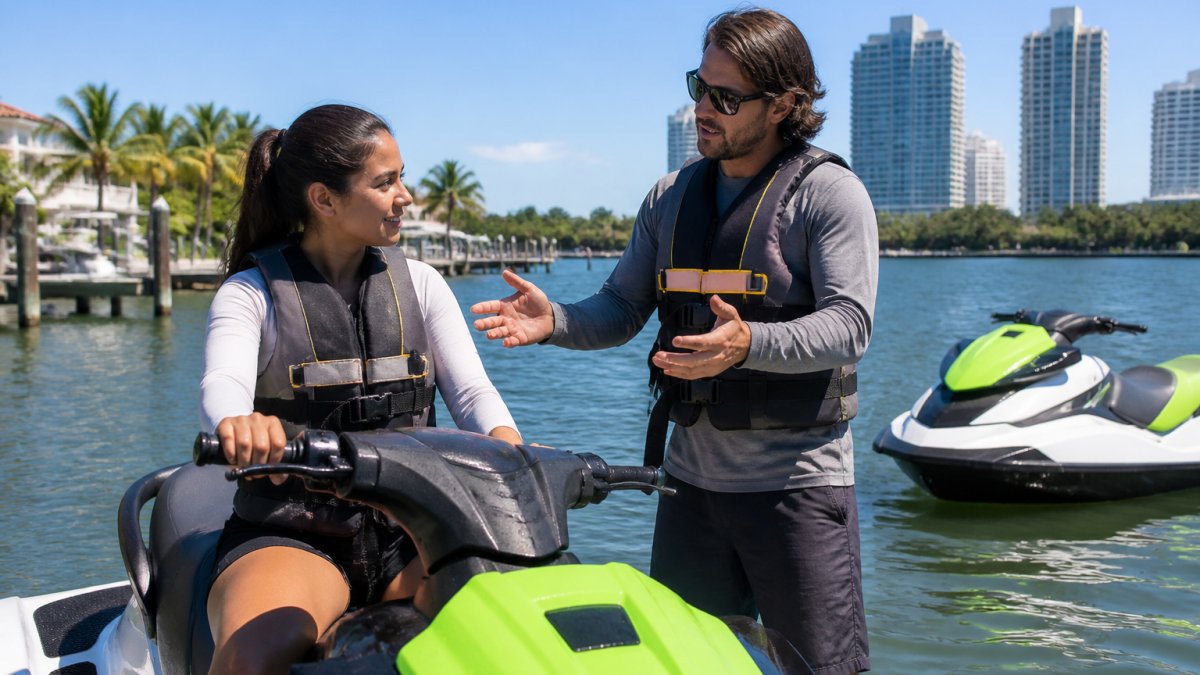
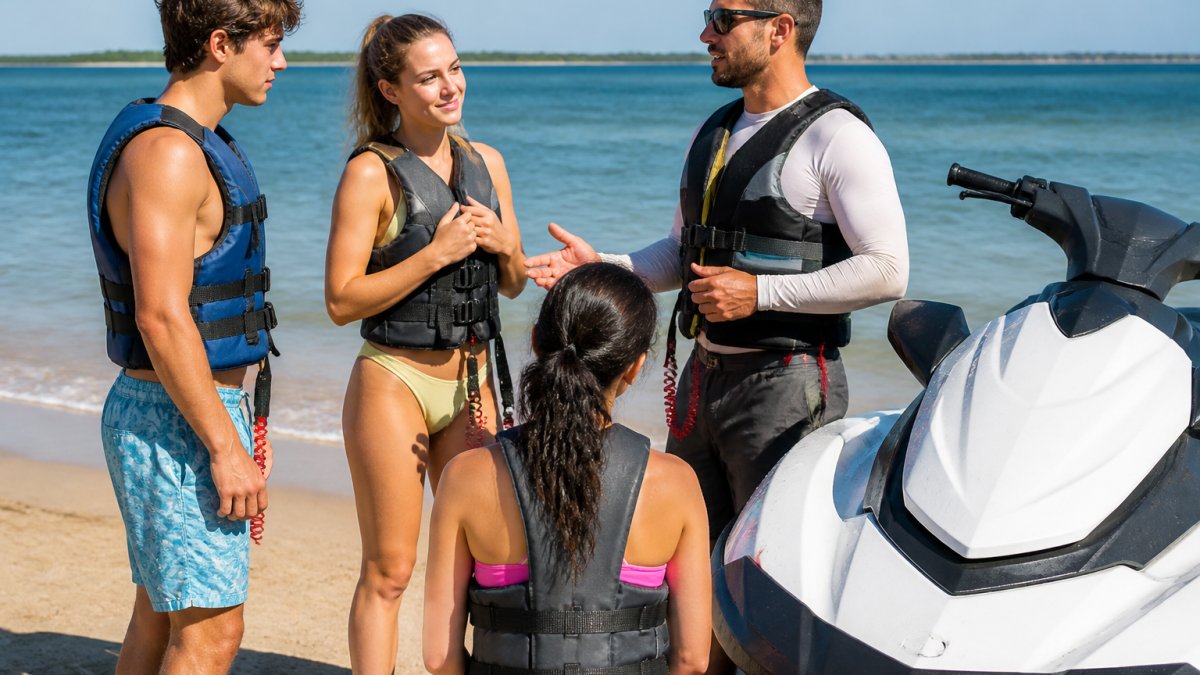
The best riders are trained riders. At Miami Wave WaterSports, we provide a safety briefing before every rental, covering:
Equipment review: The instructor points out the throttle, steering, kill switch, and safety lanyard. You practice squeezing the throttle gently and steering while docked, and learn where the fuel and temperature gauges are.
Water safety: You learn about the riding area: shallow spots, currents, the weather forecast, and where you can ride safely.
Rules and regulations: You learn local speed zones, distance requirements from swimmers, and any special rules for your area.
Practice time: Before you venture out, spend 10-15 minutes in shallow water practicing starting, stopping, and steering.
It feels long, but trained riders have fewer accidents and enjoy the experience more.
Jet ski riding is thrilling, but thrills come with responsibility.
Frequently Asked Questions
How do you ride a jet ski safely for the first time?
Start with a safety briefing or boating safety course to learn controls and emergency procedures. Wear a Coast Guard-approved life jacket and attach the engine cut-off switch to your wrist. Practice in calm, shallow water before venturing to open water. Familiarize yourself with the throttle, steering, and stopping distance. Stay at safe speeds, maintain distance from other vessels and swimmers, and never ride alone. Check weather and water conditions before launching.
What safety gear do beginners need for jet skiing?
Essential jet ski safety equipment includes a Coast Guard-approved life jacket, polarized goggles or sunglasses to protect your eyes from glare and wind, a rash guard or wetsuit for sun and water protection, and neoprene footwear for grip and foot protection. All gear should fit snugly and allow freedom of movement.
What should you do if you fall off a jet ski?
Stay calm and check yourself for injuries. The jet ski's engine will cut off automatically if you're wearing the safety lanyard correctly. Swim back to the watercraft and reboard from the side or rear, pulling yourself up firmly. If the water is rough or you're exhausted, signal for help. Never panic or swim away from the jet ski, as it's your flotation device and makes you easier to locate. Wait for assistance if you cannot safely reboard alone.
Do you need a license or safety course to ride a jet ski?
License requirements vary by state and age. Many states require a boating safety certification for personal watercraft operators, while others have age-based restrictions. Taking a boating safety course is highly recommended for all beginners, regardless of legal requirements. Most rental operators require a safety briefing before your first ride. Check local regulations in your area, and ask your rental company about their specific requirements and training options.